
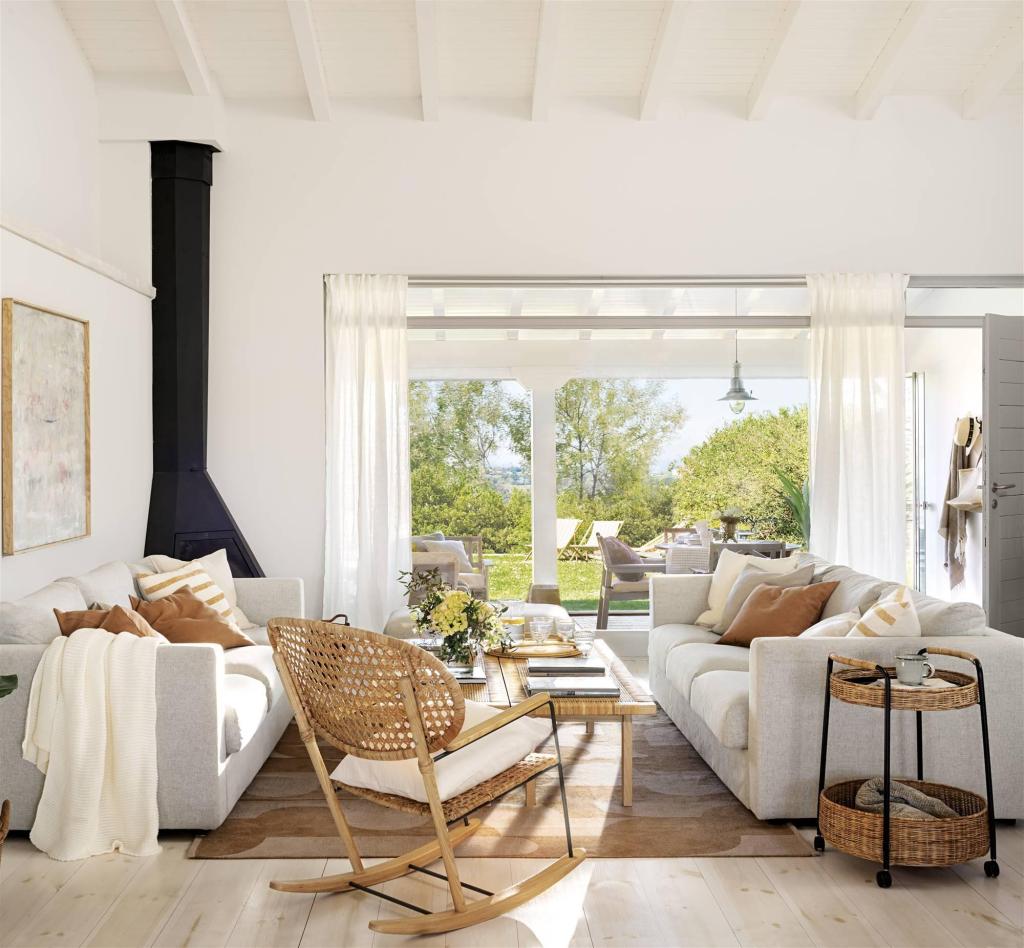
Summer has a way of changing how we use our homes. Routines become less structured. There’s more coming and going, more time spent outside, more casual meals, and more spaces doing double duty. The systems that worked beautifully in spring can suddenly feel a little… overworked. And that’s okay.
A home that works well in summer doesn’t need more structure. It needs more flexibility.
What does “working well” look like in summer?
In spring, we might be focused on resetting, organizing, and creating order. Summer asks for something a little different. Instead of trying to keep everything perfectly in place, the goal is to reduce friction.
Can you put things down easily when you come through the door? Can you grab what you need without searching? Can the kitchen handle another round of snacks without becoming a project? Can the living room shift from quiet afternoon to evening gathering without a full reset?
A system is working when it supports the way you actually live — not when it looks perfect.
Where summer puts the most pressure on your home
Some areas naturally see more activity during the summer months.
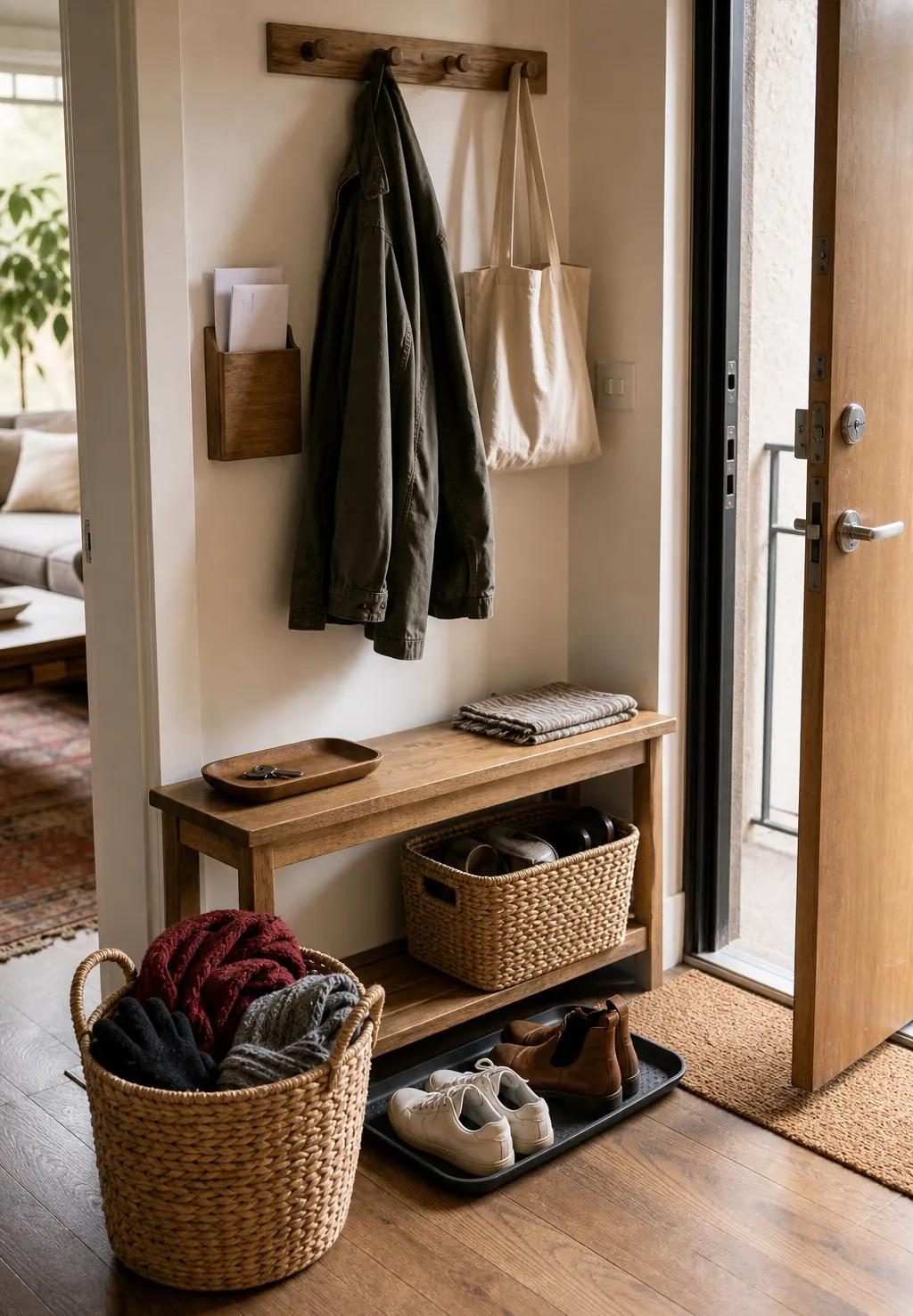
The entry. More coming and going means more shoes, bags, hats, beach gear and everything else that seems to follow us home. The easier it is to drop things where they belong, the easier it is to reset the space.
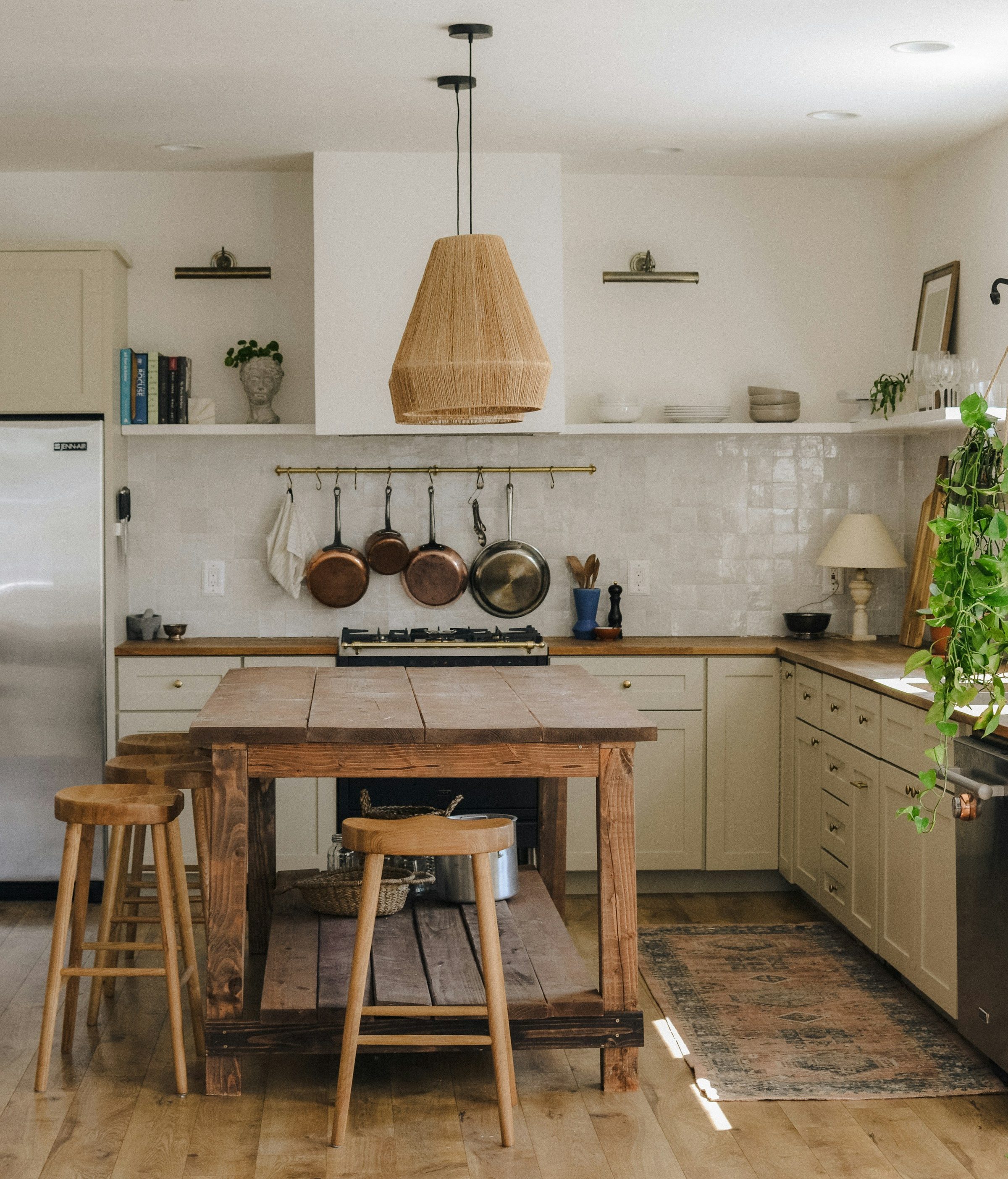
The kitchen. Summer often means more casual eating, frequent snacks, cold drinks and impromptu gatherings. Keeping the things you use most within easy reach can make repeated use feel effortless.
The living spaces. A living room might become a place to read, nap, entertain, play games or simply escape the heat. Allowing surfaces and furniture to serve more than one purpose can make the space feel much more natural.
The indoor-outdoor transition. When doors are constantly opening and closing, the boundary between inside and outside becomes a little blurrier. Making that transition easy — with accessible storage, simple drop zones and fewer unnecessary steps — helps the whole home flow better.
Adjust the system, not yourself
The answer isn’t always to try harder to keep up. Sometimes the better solution is to make the system easier.
In the entry, reduce the number of steps between coming home and putting things down.
In the kitchen, give priority to the items that are being used constantly and let frequently used surfaces flex between activity and reset.
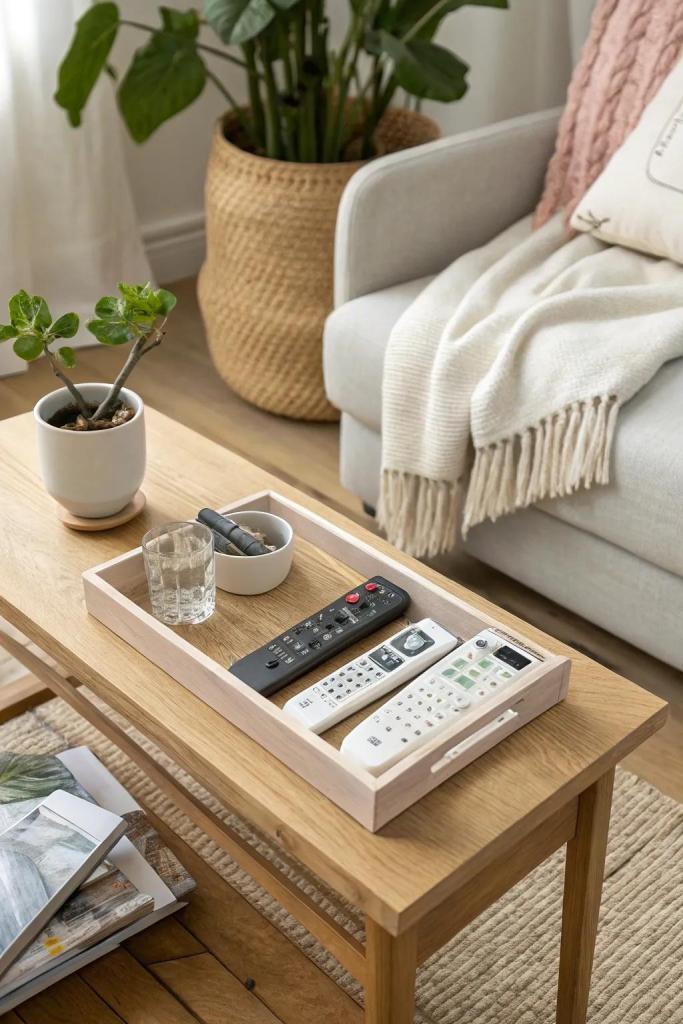
In the living room, prioritize usability over styling. A space doesn’t need to look finished every minute of the day to be functioning well.
And when it comes to outdoor living, think of the patio, deck or yard as an extension of the home. The easier it is to move between inside and out, the more naturally those spaces can work together.
Make maintenance low-effort
One of the best tests for any home system is simple: How much effort does it take to get back to baseline? A system that requires a major reset every time the space gets used is asking too much.
The goal isn’t constant order. It’s creating systems that can absorb everyday activity and return to a comfortable baseline without a lot of thought. The best systems tend to work quietly in the background.
Let your home be lived in
Summer living is rarely predictable — and your home doesn’t need to be either. A good summer system is flexible rather than rigid. Supportive rather than demanding. It can absorb a little extra activity without everything feeling like it’s falling apart.
Because ultimately, the goal isn’t to manage your home perfectly. It’s to make your home easier to live in. And sometimes, a little less structure is exactly what makes that possible.

 Refresh Interior Decorating
Leave a comment